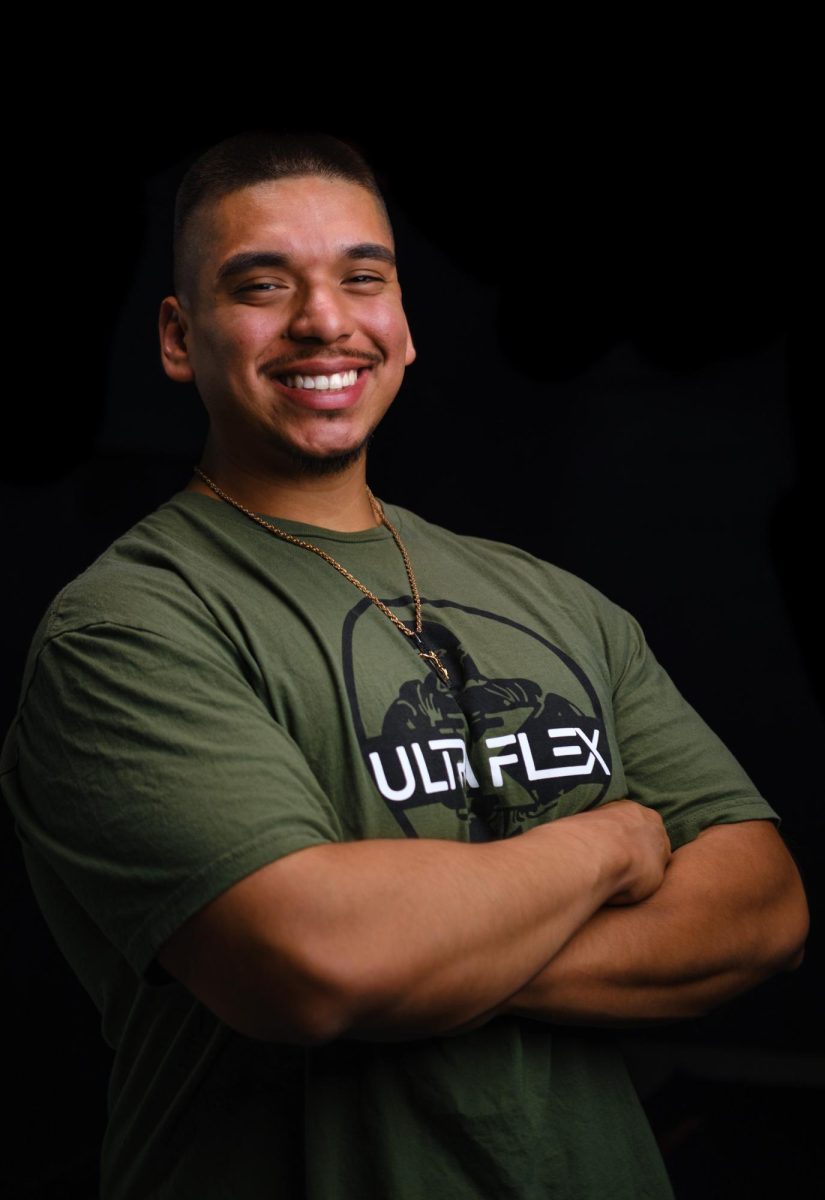


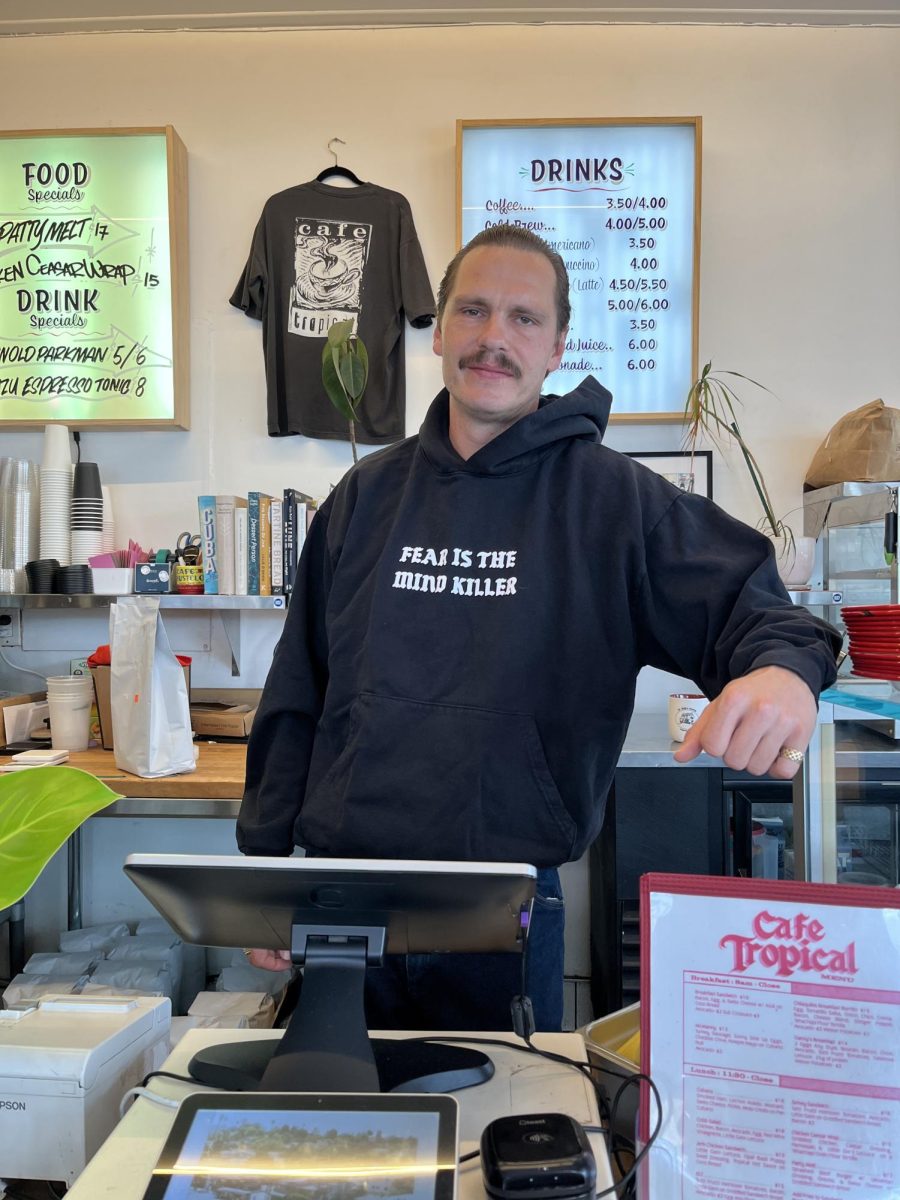
Ukrainian native Danny Khorunzhiy emigrated to Los Angeles with his family when he was seven. He previously worked as a program director at a drug and alcohol treatment center, but since March of 2024, he has been the managing partner of Silver Lake’s Café Tropical as he has transitioned into the service industry. He oversees front-of-house operations and helps delegate the Alcoholics Anonymous meetings that are held in the café’s community room.
While the restaurant is famed for welcoming scores of Cuban immigrants to Southern California with its island vibes and strong coffees, it also served as a center for sobriety.
Both are legacies Khorunzhiy hopes to continue.
The UT Community News sat down with Khorunzhiy at Café Tropical and discussed the history of the establishment. He noted how he became a partner after the previous owners announced the café’s closure in November 2023. Khorunzhiy also admired how they have been able to remain a staple to the Silver Lake community.
Café Tropical was established in 1975. When did you start coming to the café?
I first came to the cafe in 2004/2005. I had moved to Silver Lake from the Westside, where I grew up. I had heard about this little cafe [and] I would come here because all I could afford at the time was this continental breakfast. It included a juice, a croissant, and small café con leche that was $5 or $6 at the time. I would come in, get that and I got to know Donato, who was the owner then. A few years after that I had some stuff come up with drug and alcohol addiction. I remember seeing a bunch of people hanging out outside of the rooms here in the back where they held the meetings, so my journey in recovery started here as well.
Do you know how long the café has been holding the Al-Anon meetings?
We think the meetings have been going on here since 1992. Someone from the neighborhood came in and said, “My husband and I have been going to meetings and there’s nothing nearby, can you open the room?” Donato said “sure” and opened the community room. [It] is now our bakery, but that was the meeting room, originally.”
How were you and your partners able to acquire the space?
Everybody saw the note [that the café was closing] on the door; it was heartbreaking, and I wanted to come and hang out one last time and get a coffee. A friend and I came to a meeting here, then went and got a coffee. There was a line around the corner. I started talking to my friend saying, “I wonder what’s going to happen to this place?” My friend suggested that we try reaching out and inquiring. I had no food service background whatsoever. I was a program director at a drug and alcohol treatment center at the time, so completely out of my wheelhouse. There’s a lot of cafes and restaurants that are nostalgic to the city that disappear, but how many of them have an attached space to it that helps save people’s lives? I got a call back about two weeks later from the agent. We started talking to the building owners and they let us know they had a few other offers and asked what we’d plan to do with the space. We just wanted to reopen and keep the meetings going, to try and bring back as many of the staff as we could and keep the spirit alive.
The cafe has been operating as a sort of sanctuary since the wildfires for evacuees and staying open late. Can you tell me more about that?
We’ve been staying open late, and we partnered with nonprofit Feed the Streets. We started making burritos [on] night three of the fires to send to first responders and evacuees. Since the fires, we have sent out over 10,000 meals in the last month. Not all [were] cooked here, but a lot of the other restaurants would send stuff here [and] then we would distribute it to those that are displaced. We’ve committed to cooking here Tuesday-Thursday for 90 days [and] to then send out in the mornings to Eagle Rock to the people who have lost their homes and the evacuees in Altadena.
How do you feel the cafe has been able to remain a staple in Silver Lake after almost 50 years?
You know, it’s interesting because we have about nine coffee shops within a block radius, so every time a new place opens, I’m like, “What are they doing? There’s another coffee shop opening up?” But then I’ll go over, take a box of pastries and introduce ourselves. Yes, they might have some fancy coffee drinks, but we have this sense of community here. There’s a certain magic in these walls.
This story was originally published in the UT print edition on March 27, 2025.