

Domestic violence remains a crucial issue that affects many, including some college students. According to The National Domestic Violence Hotline, one in three women and one in four men have been in abusive relationships. Women ages 18 to 24 and 24 to 35 generally experience the highest rate of intimate partner violence. These statistics are more than a number; apart from the fact that this statistic could increase, victims of domestic violence feel unsafe, scared, and unsure how to ask for help and resources. This alone makes domestic violence awareness, education, and accessible campus resources important at CSULA.
Senior Health Educator Allie Halpern says domestic violence prevention remains a major priority for both students and the campus community.
“We can’t talk about it if we don’t talk about it, if we don’t name it, we can’t solve it,” Halpern said.
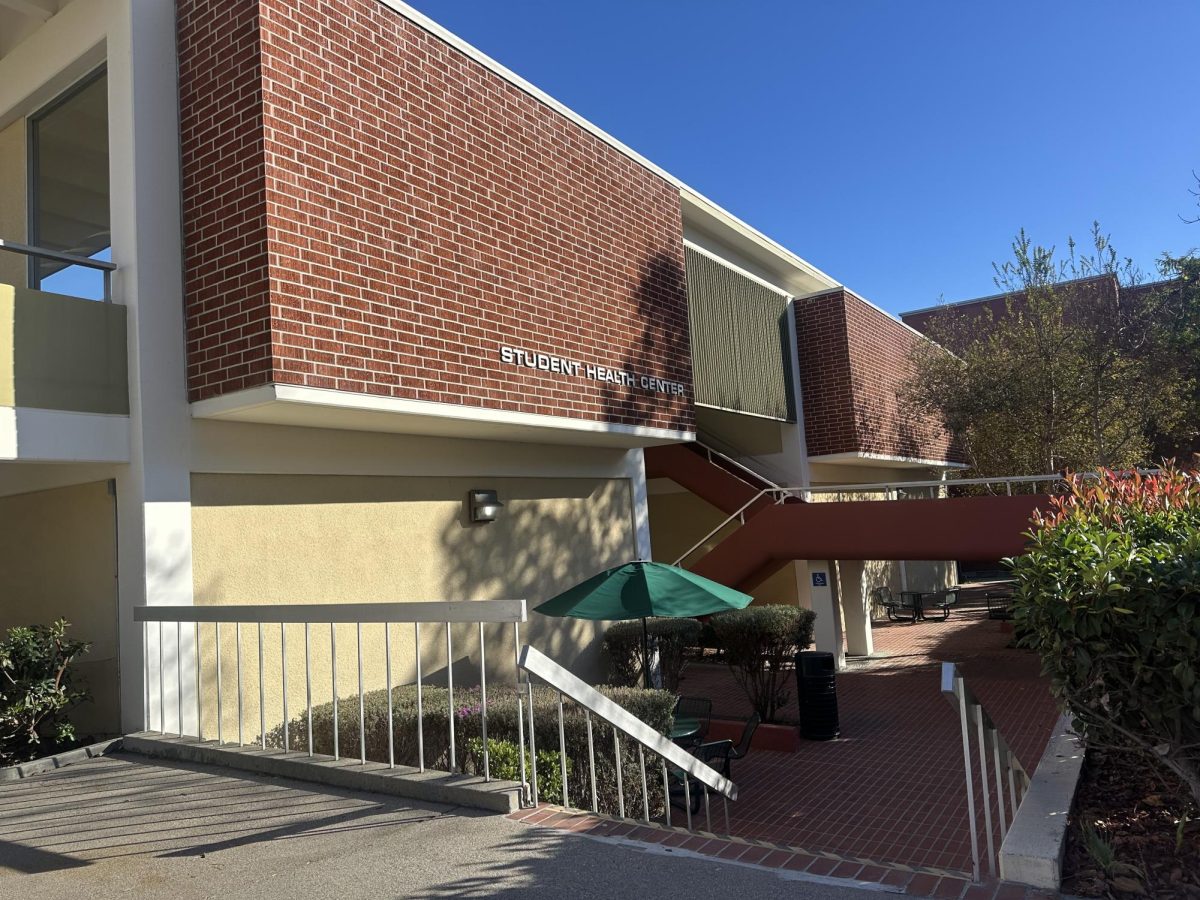
One of the resources is Peace Over Violence, a violence prevention organization within the Student Health Center. Alma Cardenas, who works in the Student Health Center as an advocate, can assist students with safety planning, listen to survivors, help file reports with the Title IX or police, provide hospital accompaniment, and provide access to a 24-hour hotline to talk to someone right away. You can set up a meeting with Cardenas in person or on Zoom. The Student Health Center also supports students filing reports of sexual assault, harassment, dating violence, domestic violence, or stalking.
Another support system on campus is the Counseling and Psychological Services (CAPS), which offers professional counselors and supervised trainees available to students for 10 individual sessions each academic year. CAPS provides private help with your personal growth and mental wellness. Counselors from this program have experience in domestic violence prevention. They can offer support with mental health services and help students to process their emotions and develop healthier coping mechanisms. Halpern notes that the University has been stepping up its response to domestic violence by strengthening the availability of resources to assist students seeking help to combat domestic violence. Part of that work includes Project Safe, a faculty and staff coalition, which has been a campaign in Cal State LA for many years, raising awareness about domestic violence through programming, events, and education for students on campus.
“We’re doing more now than we’ve done in many years,” Halpern said.
Domestic violence remains widespread, and some survivors say the emotional trauma is a cycle of abuse that often makes life feel impossible.
Tracey Vaughn, a domestic violence survivor, understands that cycle firsthand. “I picked the same person I grew up with,” Vaughn said. “I picked a husband that was the same as my mother: abusive.” She adds, “I had no coping mechanisms,” Vaughn said. “Working, crying.” Looking back, Vaughn says she wishes she had understood her worth earlier. “Maybe making better decisions on the person that I have my children with, and to love myself more and know God loves me.”
Thanks to the support at Cal State LA, the message is clear: no student should face violence of any kind alone. Vaughn’s experience not only shows how deeply domestic violence impacts survivors, but also how education, support, and open dialogue can help break this cycle. Leaving any relationship is difficult, Vaughn says, but once you do, you can feel empowered to speak up, seek help, and build a safer future.