

In Episode 2 of Season 4 of Netflix’s “The Lincoln Lawyer,” the Hertzberg-Davis Forensic Center and Cal State LA’s campus made their on-screen debut, placing a real institution at the center of the show’s fictional courtroom drama. The appearance underscores the series’ longstanding commitment to grounding its storytelling in authentic Los Angeles locations.
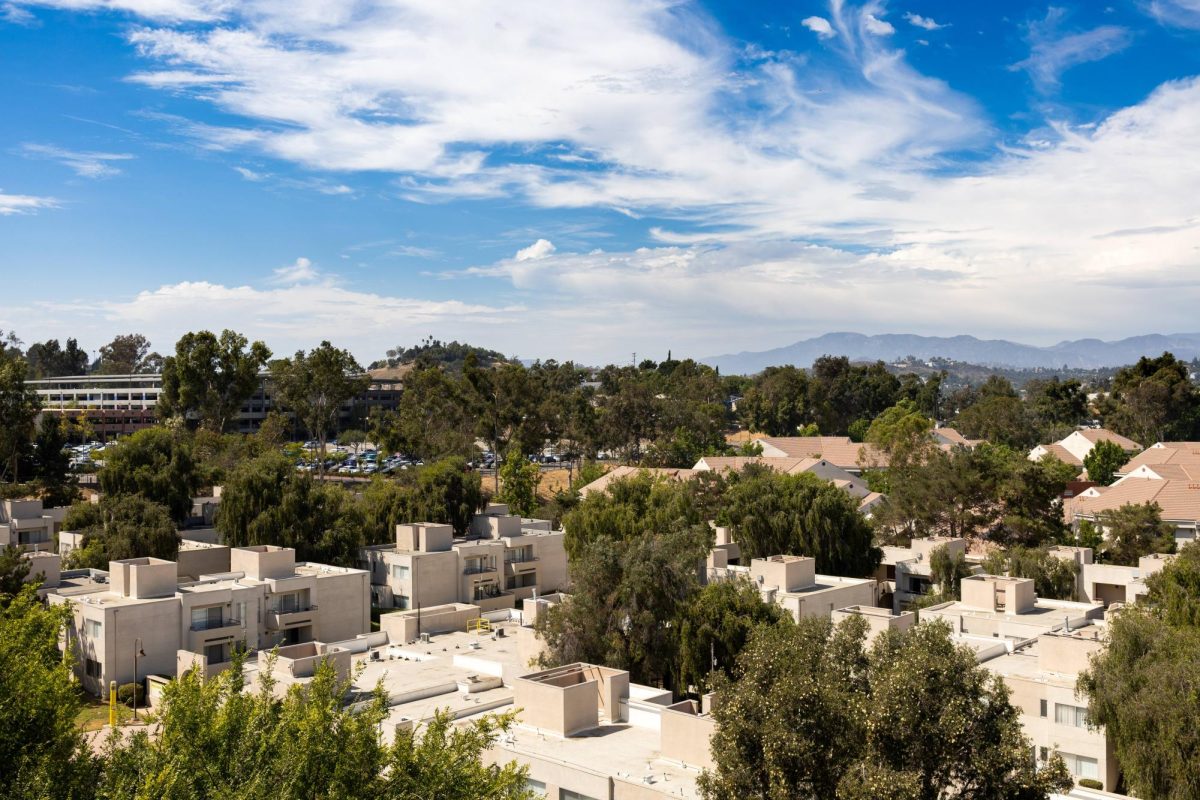
Although the production was unable to film inside the working crime lab, the campus is shown in an aerial shot and referenced in connection to the Hertzberg-Davis Forensic Science Center.
The center houses the Los Angeles County Crime Lab and serves as a key part of the region’s forensic science and criminal justice infrastructure.
Dr. Kathy Roberts, director of the Graduate Program in Criminalistics, explained the scope of the facility.
“It houses the Los Angeles sheriff’s department forensics bureau and the LAPD forensics science division,” so between them, those two agencies cover all of the jurisdiction of LA county,” Dr. Roberts said. The LAPD is responsible for handling crimes within city limits, while the Los Angeles County Sheriff’s Department oversees cases throughout the rest of the county.
Dr. Roberts also spoke about the importance of accurate portrayals of forensic science data on television shows.
“Its important primarily because it provides an opportunity to rely on accurate information, so they [viewers] see the actual layout, and see the importance of how contamination can play a role,” Dr. Roberts said.
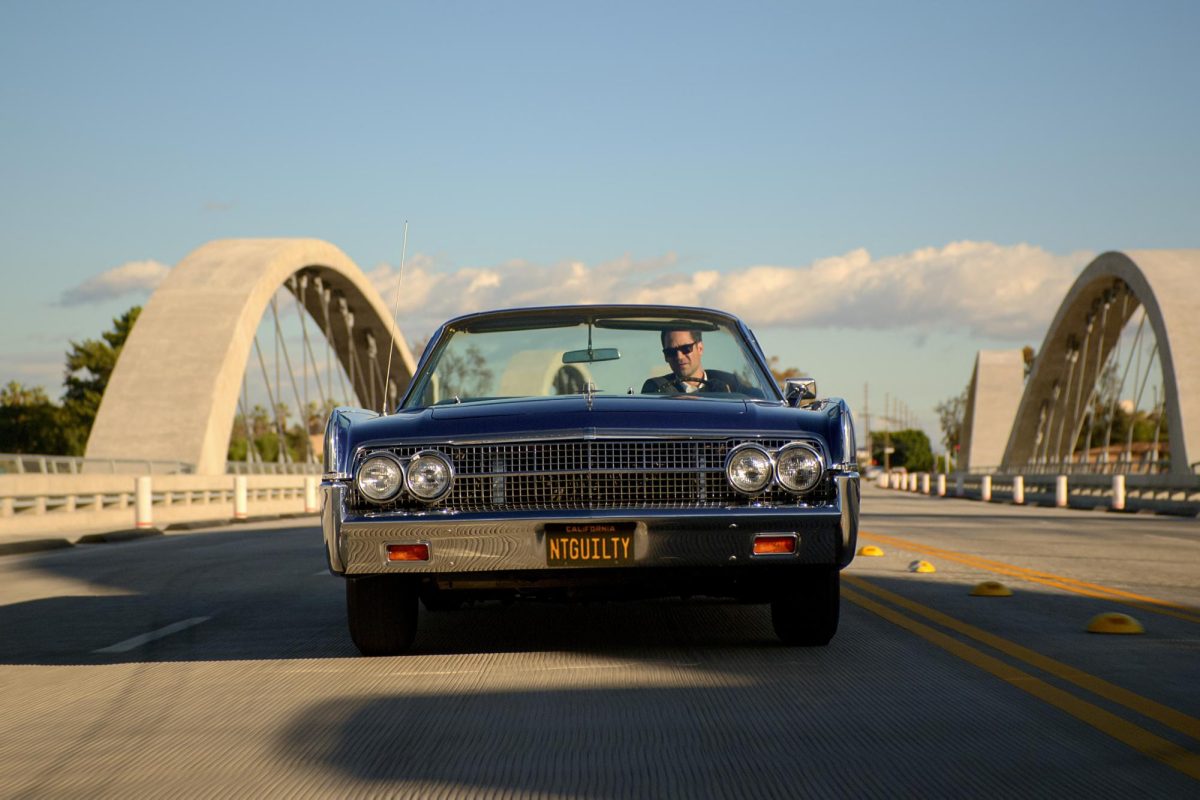
Featuring recognizable Los Angeles locations has been a consistent element of the series, reinforcing its identity as a show rooted in LA County’s legal landscape.
By incorporating Cal State LA’s campus into the episode, “The Lincoln Lawyer” continues to connect its fictional courtroom drama to the culture and community that shape the roots of the city’s justice system and neighborhoods in Los Angeles.
Location manager of the show Richard DiPatri, spoke about the decision to incorporate Cal State LA into the episode, and the limitations the production faced when attempting to film inside the facility.
“Any time we have a real location, we try and portray it as such, even though we had to build a set for the crime lab, it is on your campus,” DiPatri said. “We want to be authentic to Los Angeles and our crime world, so, by showing your campus, we’re telling the rest of the world that the crime lab is actually on the campus.”
Authenticity is especially important to writers and executive producers like Michael Connelly, author of the “The Lincoln Lawyer” book series, who is also credited as an executive producer on the Netflix adaptation. According to DiPatri, Connelly’s writing style has influenced how the show represents Los Angeles.
“Michael is very authentic when he writes. When he writes these stories he writes in real places,” DiPatri said. “I think it really captures the essence of the books, so we adopted that (authenticity) early on.”
DiPatri said that commitment to realism extends beyond the writing, and influences the entire production team’s approach to portraying Los Angeles.
“The authenticity is so important to the executive producers and the writers, because they love this city so much,” DiPatri said. “They never want someone who lives in LA, grew up in LA and has the same love for LA as they do to watch the show and say that’s not where that is.”
By anchoring its fictional courtroom drama in real institutions that serve the county’s justice system, “The Lincoln Lawyer” reinforces the deep ties between its storytelling and the city it represents.